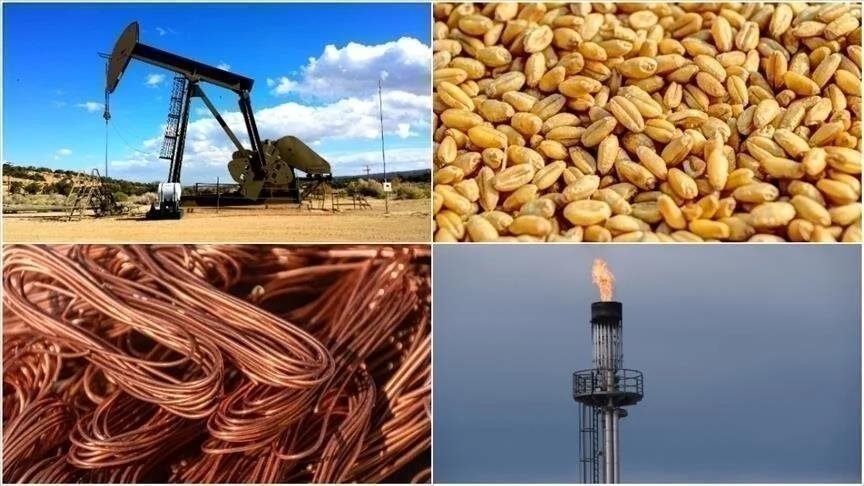
The global commodity market dynamics have significant effects on the Indian industrial sector, which forms the foundation of the economic growth in the country. India, being a large importer of raw materials such as crude oil and metals, and being an exporter of manufactured goods, makes it sensitive to international prices.
In this blog, we will explore how changes in the global commodities affect Indian industrial stocks.
Impact of Crude Oil Prices
The Indian economy relies on imported crude oil for a large part, and therefore, industrial stocks are vulnerable to fluctuations in international oil prices. As the price of crude oil increases, the Indian manufacturing industry feels the impact of the higher energy costs, not only in the transportation and logistics sectors, but also in power production in its factories. This increases the cost of operation for industrial stocks like the Vedanta share price.
It also erases profit margins of energy-intensive industries such as cement, steel, and chemicals, which in turn has a negative impact on their valuation. On the other hand, the decline in oil prices could provide a significant cost benefit, which increases the profitability of these industrial stocks, making them more attractive for investors.
Metal Price Fluctuations
Indian manufacturing and infrastructure industries are directly impacted by the prices of international industrial metals like steel, aluminium, and copper. Indian companies, be it in the production of cars, building materials, or consumer goods, are big consumers of these metals. An increase in the prices of international metals will lead to an increase in the cost of procurement, which, if not absorbed or passed on to consumers, can squeeze margins for manufacturers.
For example, JSW Steel share price, which benefits from higher prices of steel, is also subject to higher costs of iron ore and coking coal, as these metals are mostly imported in India. This two-fold influence requires tight control on sourcing and pricing policies of raw materials in order to maintain competitiveness and performance of the inventory.
Agricultural Commodities and Related Industries
Although less direct, the changes in the prices of agricultural commodities also have an indirect impact on some sectors of the Indian industry. For example, food processing, textile, and agricultural machinery companies are sensitive to the crop prices: cotton, sugar, and grains.
Price spikes can also be caused by extreme weather events or geopolitical issues that affect the supply of agricultural products globally, which affects the costs of the raw materials used in these industries.
Also, the overall health of the agrarian economy of India is often affected by agricultural commodity prices, which affect the rural demand for industrial products such as tractors and consumer goods, thereby influencing the performance of related stocks in the industrial field.
Export-Oriented Industrials
Many Indian industrial companies are active exporters of different products. When the demand for global commodities is strong, reflecting strong economic growth in the world, Indian industrial exporters tend to receive more orders and are in a better position to bargain for prices.
On the other hand, the reduction in global demand often causes a fall in commodity prices and leads to a reduction in export volumes, and thus affects the revenues and stock prices of these export-oriented companies. This sensitivity underlines the importance of monitoring the world economy indicators for industrial stocks.
Conclusion
The dynamics between the global commodities and Indian industrial stocks is a complicated one, but an essential part of the Indian financial market. Since crude oil influences energy-intensive sectors, metal prices influence manufacturing, and the global demand determines the export performance, commodity shifts play a big role in the performance of Indian industrial stocks.